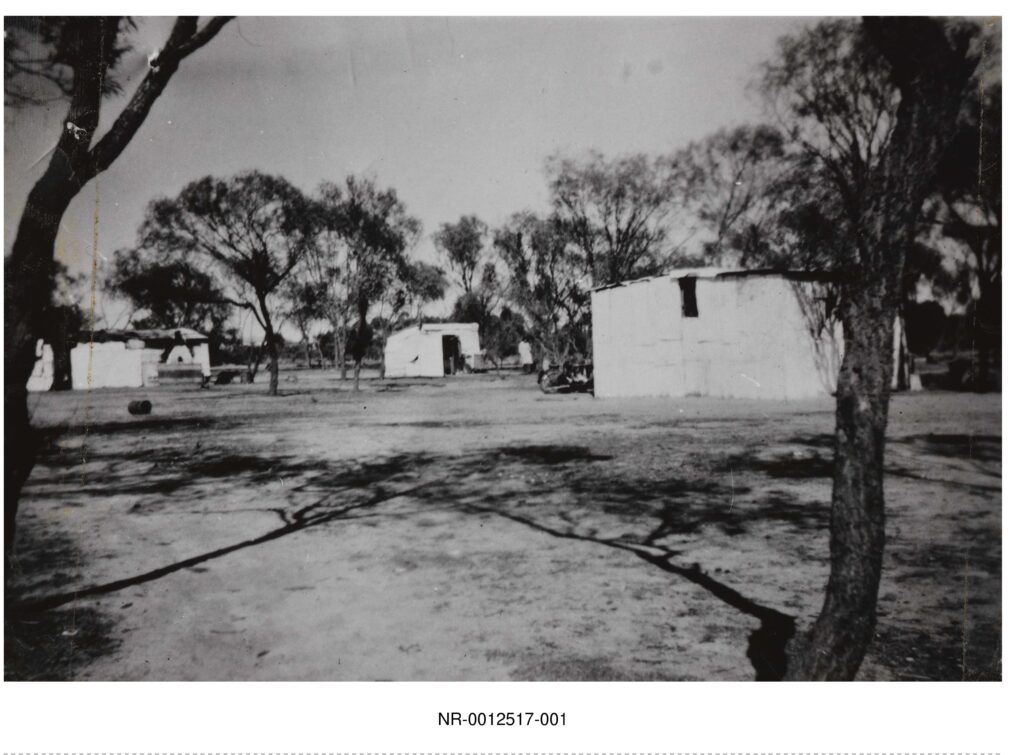
The Mingenew and Upper Irwin region of Western Australia is situated on the traditional lands of the Yamatji people, with deep cultural and historical ties held by the Wattandee and Amangu cultural groups. Long before Mingenew was established as a town, and before roads, fences, and farms divided the landscape, Aboriginal people lived on and actively managed this region. This was not an empty landscape waiting to be settled; it was Country: known, travelled, named, and cared for.

Tangible evidence of this long history remains in the district’s material culture today. Stone artefacts held by the Mingenew Museum include locally found axe heads, as well as grinding stones and stone plates associated with Yandanooka and Nungatah, north-east of Mingenew. These were practical tools, but they also represent generations of technical knowledge about raw materials, food processing, and environmental management.
The Shift to Station Labour
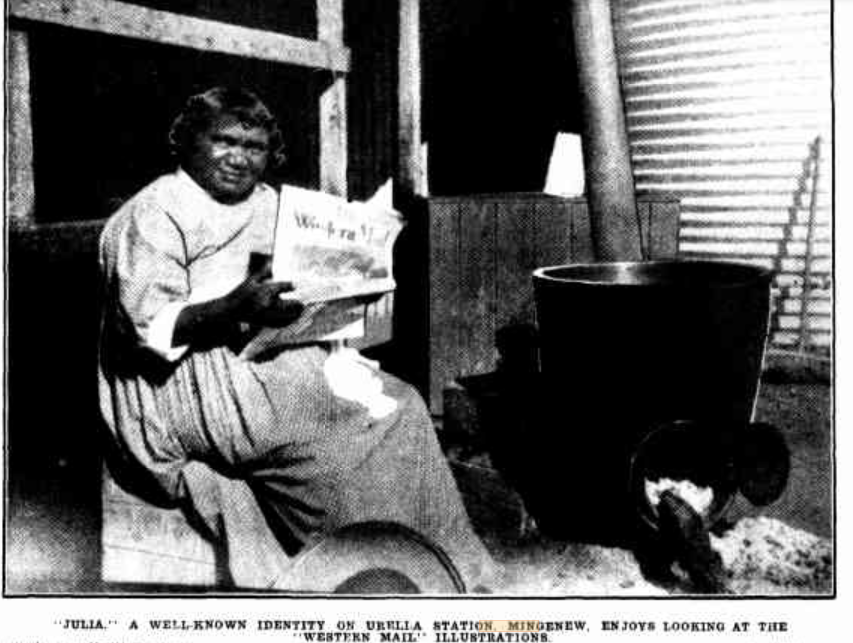
This transition involved very little personal freedom or choice. Legally and structurally, the state apparatus gave Aboriginal people minimal alternatives to European labour regimes. Under early colonial regulations, such as the Aborigines Protection Act 1886, Aboriginal people over the age of 14 were locked into strict written employment contracts. Leaving a station without permission or failing to perform work could result in criminal prosecution, tracking by police, or forced return by local magistrates. This was a system of highly controlled, institutionalised employment where workers had no bargaining power.
The conditions under which this work took place were far from equal. A government inspection of Yandanooka Station in 1901–02 provides a rare archival glimpse into the lives of the Aboriginal people living and working in the district at the beginning of the twentieth century. The inspector recorded 16 adults and three children, preserving rare biographical details that highlight their names and circumstances:
- Chigenagoo (about 55 years old): Had worked at Yandanooka for several years and was still considered capable of "light work."
- Cokurngoo (about 60 years old): Had provided labour at the station over a multi-decade period
- Jankera (also known as Johnny, about 70 years old): Originally from the Hill River area, he had spent decades working as a long-distance drover for various regional employers
Institutional Control & Changing Laws
- The 1893 Tracker and the 1895 Transits: In 1893, an Aboriginal native tracker was transferred to Mingenew alongside Constable Simpson to assist with visiting settlers, caring for the police horse David, and searching for “native offenders.” Tellingly, while the horse’s name was noted, the tracker’s own name and place of residence were never deemed important enough to be recorded in official archives. The primary role of the local justice system as a mechanism of tracking and containment became clear in 1895, when two Aboriginal men were apprehended further south and held briefly at Mingenew before being sent by train to the Dongara police lock-up. One was charged with the larceny of rations, while the other was arrested simply for “deserting” his workplace while still under an unexpired employment agreement.
- The Simpson Incident (1908): This pattern of local police overreach continued into the next decade. Local court records from 1908 detail a volatile incident in which Mingenew’s long-serving constable, Louis Simpson, was accused of physically assaulting an Aboriginal tracker who was employed by Simpson’s own wife. When a European bystander tried to intervene to protect the tracker, Constable Simpson used his state authority to charge the bystander with “interfering with police duties,” demonstrating how difficult it was for Aboriginal people to find protection or neutrality under local law enforcement.
As the twentieth century progressed, these unequal dynamics were heavily reinforced by law. With the passage of the landmark Aborigines Act 1905, the Western Australian Government consolidated expansive, paternalistic statutory powers over the daily existence of the state’s Indigenous population. This legislative framework legally authorized state departments to regulate geographic movement, employment contracts, personal relationships, marriage, and family structures. Most notably, it granted the Chief Protector of Aborigines legal guardianship over all Aboriginal children, providing the legal mechanism for forced removals.
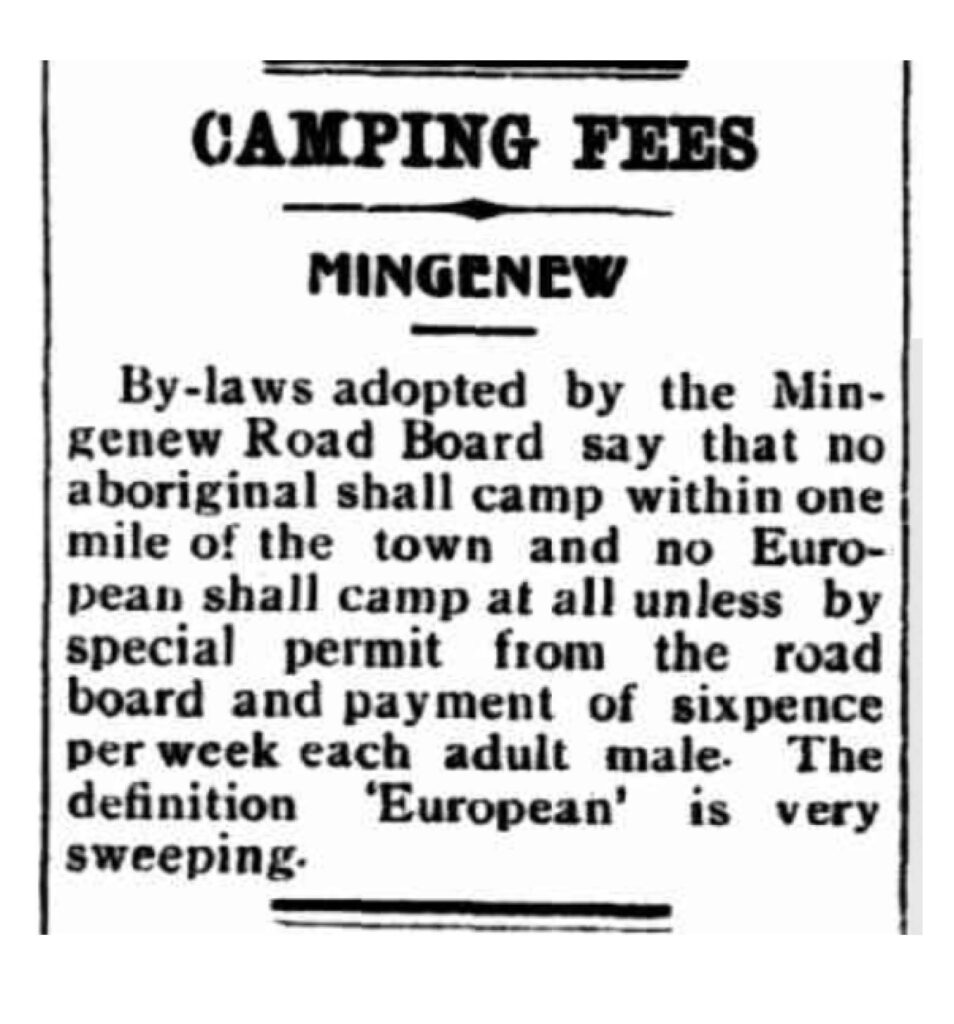
Exemption, Citizenship, and the Contradictions of Rights
Littlewell: Life on the Edge of Town